

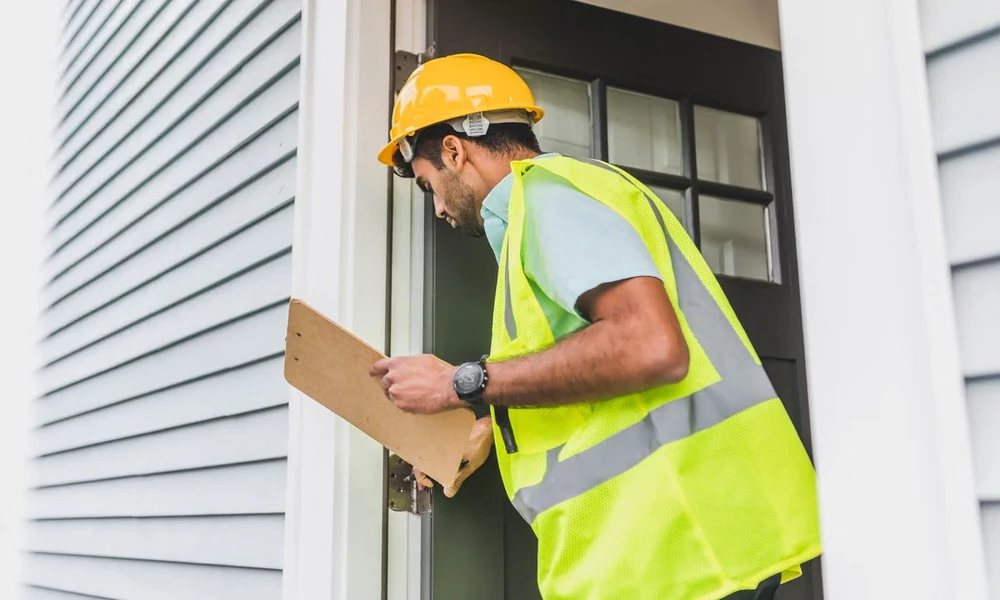
Two roofing estimates land in your inbox for the same house. One is $11,400. The other is $15,900. Both promise “a new roof.” Which one is the better deal?
You can’t answer that from the bottom line alone. A roofing estimate is a technical document, and the difference between two quotes is usually hidden in the details: what’s included, what’s assumed, and what’s left out. Learning to read one is the closest thing a homeowner has to a superpower in this industry.
Why Estimates Are So Hard to Compare
There is no universal format for a roofing quote. One contractor sends a single paragraph with a total. Another sends six pages with product codes. Neither is automatically better, but only one makes comparison possible. The goal is to turn any estimate into the same set of answers, so you’re comparing like with like.
The Anatomy of a Good Estimate
Think of the estimate as seven sections. If one is missing, ask about it.
1. Scope of Work
This should describe exactly what will happen to your roof. Look for whether the old roofing will be torn off completely or covered with a new layer, and whether the contractor will inspect and replace damaged decking as needed.
Watch for: vague phrases like “install new roof.” That tells you nothing about the job.
2. Materials, Named Specifically
“Architectural shingles” is a category. A good estimate names the manufacturer, product line, and color. It should also list the supporting materials that quietly determine how long a roof lasts:
- Underlayment type
- Ice and water protection at eaves and valleys
- Starter strips and ridge caps
- Flashing material
- Ventilation components
Watch for: an estimate that names the shingle but says nothing about the rest. Underlayment and flashing are where corners tend to get cut.
3. Decking Policy
Rotted or damaged plywood can’t be seen until the old roof is off. A trustworthy estimate states how that’s handled, usually as a per-sheet price for replacement. This protects both sides, because there are no surprise arguments later.
4. Labor and Installation Details
Labor often accounts for a large share of the cost. The estimate should note installation standards, whether the crew is employed or subcontracted, and who supervises the job on site.
5. Cleanup and Disposal
Ask whether the price includes dumpster rental, magnetic nail sweeps of your lawn and driveway, and protection for landscaping and siding. These are easy to overlook until nails show up in a tire.
6. Timeline and Payment Terms
A clear start window, expected duration, and weather contingency plan should appear in writing. Payment schedules should be tied to milestones, not a large upfront payment before any work begins.
7. Warranty, in Two Parts
Roofing warranties come in two flavors, and estimates often blur them:
| Warranty type | What it covers | Who backs it |
|---|---|---|
| Manufacturer warranty | Defects in the materials | The product manufacturer |
| Workmanship warranty | Installation errors | The contractor |
A strong manufacturer warranty means little if the contractor’s workmanship coverage is thin or short. Leaks usually come from installation errors, so the second one matters at least as much as the first.
Five Red Flags Hidden in the Fine Print
- A price that’s far below the others with no explanation. Low quotes often leave out tear-off, decking, or ventilation.
- “Allowances” with no numbers. A line item that says materials will be “per customer selection” can balloon later.
- Pressure to sign today. A fair price this week should still be fair next week.
- No license or insurance information. This should be easy to find on the document or website.
- Verbal promises that aren’t written down. If it matters, it belongs in the estimate.
Do Your Own Background Check
A polished estimate is not the same as a reliable contractor. Before you sign, verify reviews across more than one source, confirm licensing and insurance, and see how the company has handled complaints. The Better Business Bureau is one place to check a contractor’s profile and complaint history alongside the reviews you find elsewhere.
When you’re comparing local options, look for a company that welcomes questions and explains its line items without defensiveness. For example, a team like Cornerstone Roofing & Development LLC can walk you through its scope, materials, and warranty terms so you know exactly what each line represents before you commit.
A Simple Side-by-Side Method
Take your estimates and make a quick grid. For each contractor, record:
When you see the numbers lined up, the $4,500 gap between two quotes often explains itself, and you can decide whether the extra cost buys real value.
Questions to Ask Every Contractor
- What would make the final price differ from this estimate?
- Who will be on my roof, and who supervises them?
- How do you protect my property during the job?
- What happens if a leak appears after installation?
- Can I see a sample contract and warranty before deciding?
The Bottom Line
The cheapest estimate is rarely the best value, and the most expensive isn’t automatically the safest. The best estimate is the clearest one: specific materials, written terms, transparent pricing, and a contractor who stands behind the work. Read it slowly, compare it fairly, and ask questions until nothing is vague. A roof is a long-term investment, and the paperwork is where that investment is protected.