

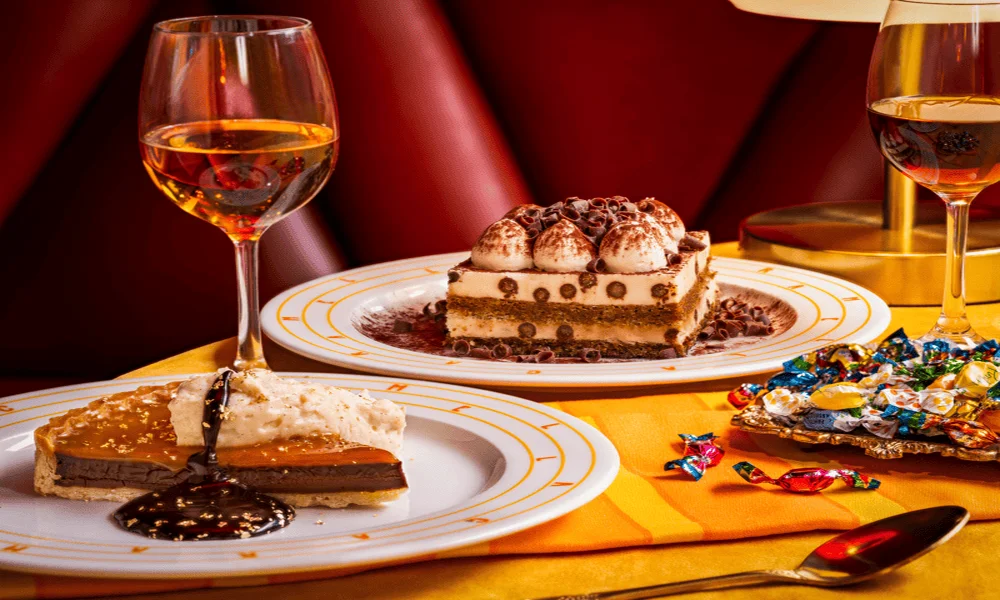
Twenty years ago, my uncle drove 45 minutes to a casino, ate a lukewarm plate of peel-and-eat shrimp off a laminated tray, and called it a great night. He would not recognize the place now.
Somewhere along the way, casino resorts stopped treating food as an afterthought you tolerate between hands of blackjack and started treating it as the reason people show up.
Twin Cities players noticed this shift early. Ask anyone who heads out for an evening at the restaurants at Mystic Lake Casino and you will hear about the steakhouse before you hear about the slot floor. That reversal is the whole story of modern resort dining, and it happened because operators finally understood something simple: a hungry guest leaves.
So here is what changed, why it changed, and what you should actually look for the next time you plan a night at a casino resort.
The buffet was never the point, it was just the only option
For decades the casino buffet existed for one reason. It kept you on property. Cheap, fast, unlimited, and positioned a short walk from the tables. Quality was irrelevant because the food was infrastructure, not the product.
That model worked until it didn’t. Once regional casinos started competing with each other instead of just with the nearest movie theater, food became a weapon. You cannot differentiate your slots from a competitor’s slots when everyone leases the same machines. You can absolutely differentiate a dry-aged ribeye from a heat lamp shrimp cocktail.
I think the buffet didn’t die because people stopped liking it. It died because operators realized a mediocre all-you-can-eat line was actively training guests to leave at dinner time and spend their money somewhere else. You do not want your most loyal customer driving 20 minutes to a chain restaurant at 7 PM.
What replaced it
The replacement wasn’t one restaurant. It was a small portfolio, each piece aimed at a different mood and a different hour.
Walk into a well-run casino resort today and you’ll usually find four categories stacked on top of each other:
- A flagship steakhouse. Prime beef, a serious wine list, a host stand that takes reservations. This is the anchor, and it’s the piece that gets written about.
- A sports and entertainment venue. Big screens, a long bar, live music on weekends, food designed to be eaten while watching something.
- A casual all-day spot. Breakfast at 7 AM, a burger at 3 PM, something fried at 1 AM. This is the workhorse nobody talks about.
- A coffee and pastry counter. Small, unglamorous, and quietly one of the highest-margin square feet on the property.
The logic behind the stack is that a group of six people rarely agrees on anything. One wants a cocktail and a game on TV. One wants a quiet booth. One wants to eat and get back to the floor in 25 minutes. Give all three a place to go and the group stays.
Why the food actually got better
Two things pushed quality up, and neither one had much to do with casino executives suddenly caring about cuisine.
First, the labor market. Resort kitchens compete for the same cooks as downtown restaurants. According to the U.S. Census Bureau, food services and drinking places employ millions of Americans nationwide, and that is a deep, competitive pool where the best kitchens get the best people. You don’t win a line cook by offering a casino paycheck and a steam table. You win by offering a real kitchen with real technique.
Second, guests got louder. Reviews, photos, and social posts turned every plate into public information. A bad plate of pasta used to be a private disappointment. Now it is a two-star review with a picture attached, and it sits at the top of search results for years.
I’d argue that second factor did more for casino food than any consultant ever did. Nobody wants to be the punchline.
How to plan a night that actually works
This is the part people get wrong, and it’s easy to fix.
- Book the restaurant first, then everything else. The steakhouse books out on Friday and Saturday. Get the reservation, then build the evening around it. Not the other way around.
- Match the venue to the energy you want. If you’re celebrating something, the flagship steakhouse earns its price. If you’re with a group that can’t sit still, the sports and entertainment venue is the smarter call. Food quality matters less than whether the room fits the mood.
- Check the kitchen hours against your own. This is where people get burned. A bar can stay open until 2 AM while the kitchen closes at 9 PM. Don’t assume a late-night bar means late-night food.
- Ask about the pre-show window. If you’re catching a concert or a game at the venue, ask the host what the fastest full-service option is. Staff know. They deal with this every weekend, and they will route you correctly if you just ask.
- Look at the coffee counter for the morning after. It sounds small. It saves an hour of your morning.
The thing that makes a casino kitchen different
Hotel kitchens run on check-in rhythms. Airport kitchens run on flight schedules. Casino resort kitchens run on something stranger: they never really close.
There’s a genuine 24-hour demand curve on a casino property that doesn’t exist in a normal restaurant. Guests arrive at 11 PM off a flight, play until 3 AM, and want something real. That means the back of house is staffed and running on a schedule most chefs would find bizarre, and it means a single property might need to execute a tasting menu and a plate of wings within the same hour.
That operational reality shapes the menu more than any culinary trend does. It’s why you see short, sharp menus with a lot of repeatable technique. It’s why the steakhouse can nail a porterhouse and the sports bar can nail a burger without either kitchen tripping over the other. When it works, it’s genuinely impressive. When it doesn’t, you get food that tastes like it was made by a committee.
Resort dining is a real restaurant scene now
The old assumption, that casino food is something you endure, is about a decade out of date. Standards for what a commercial kitchen should deliver have tightened across the board. The National Institute of Standards and Technology publishes guidance that reaches into everything from food safety equipment to commercial refrigeration, and the broad effect is that operators can’t hide behind old equipment and old habits the way they once could.
That’s a boring-sounding reason for better food, and it’s probably the honest one. Better kitchens, better competition, better reviews, better plates.
Gaming regulation plays a part too. According to the U.S. Department of the Interior, tribal gaming operates under federal oversight that shapes how these properties are run, and a resort that has to satisfy regulators on one side of the building tends to run the other side with the same discipline. You don’t see many sloppy operations survive that kind of scrutiny.
Pick the restaurant before you pick the date
Resort dining got good because the business demanded it. Feeding people stopped being a cost of doing business and became a reason to drive out there in the first place. That’s a real change, and it’s one you can use.
So the next time you plan a night out, flip the order. Choose the restaurant first, build the evening around it, and let the rest of the property fill in the gaps. Chances are you’ll have a better time than the guy eating cold shrimp off a tray.
What’s the last resort restaurant you actually drove out of your way for?