

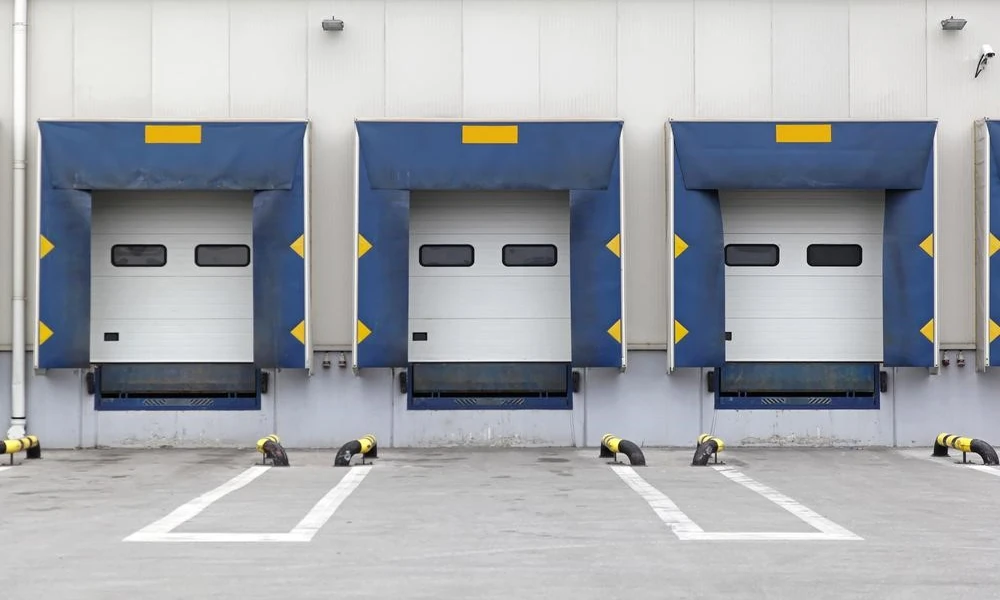
Loading dock equipment is the backbone of efficient shipping and receiving, yet it is astonishing how many facility managers underestimate the toll that poor maintenance can take. The myth that loading dock gear is “set it and forget it” persists, often until a costly breakdown grinds operations to a halt.
Debunking the Myth: Loading Dock Equipment Requires Minimal Maintenance
There is a dangerous comfort in thinking that these heavy-duty machines can withstand anything. Truthfully, neglecting maintenance is the fastest way to shorten the lifespan of your loading dock assets. Minor issues, dust buildup in hydraulics, unnoticed wear on hinges, a chafed hose, grow into major failures if ignored.
When equipment isn’t maintained, the real-world consequences ripple far beyond the initial repair bill. One broken dock leveler can bottleneck deliveries, cause safety violations, and force unplanned overtime. Over time, neglected docks see more frequent breakdowns and steadily rising repair costs.
Myth: Only Hydraulic Levels Need Regular Inspection
Hydraulic niveleurs might get the most attention, but assuming only they require regular checks is a costly mistake. Mechanical and pneumatic dock levelers also face unique stresses.
The Importance of Checking Mechanical and Pneumatic Niveleurs
Mechanical systems rely on springs, pivots, and metal-on-metal contact. Without routine lubrication and inspection, corrosion and metal fatigue set in. Pneumatic models, meanwhile, depend on air bags or bladders. Even a small leak can put your entire loading bay at risk.
How Different Systems Demand Unique Maintenance Approaches
Hydraulic units benefit from regular fluid level checks and hose inspections. Mechanical types need their springs adjusted and moving parts greased. Pneumatic systems must have their air lines monitored for leaks and pressure tested. A one-size-fits-all maintenance plan simply doesn’t cut it.
Myth: Repairs Can Wait Until Equipment Fails
Waiting until equipment stops working can seem cost-effective in the short run, but it almost always means higher expenses in the long term. Emergency repairs are not only pricier but lead to unexpected downtime that disrupts the entire workflow.
The Cost of Reactive vs. Preventive Maintenance
Consider two loading docks: one repairs only when something breaks, the other follows a preventive schedule. The latter spends less on emergency calls, enjoys fewer work stoppages, and sees equipment last years longer. Preventive maintenance doesn’t just save money, it protects your whole operation.
Scheduling Routine Checks to Avoid Downtime
Routine inspections catch issues before they cascade. Simple monthly checks for fluid leaks, worn seals, and unsafe bolts can mean the difference between a ten-minute fix and a week-long shutdown.
Myth: All Maintenance Can Be Done In-House
Many facilities try to handle every maintenance task internally, but some repairs warrant calling in the pros.
When to Call Professionals for Service and Repairs
Complex problems like hydraulic leaks, electrical faults, or dock lift malfunctions require specialized tools and training. Attempting DIY fixes can create larger, costlier headaches, especially when safety is on the line.
Benefits of Expert Inspection and Specialized Tools
Professionals bring diagnostic equipment and deep expertise. A qualified technician, such as those found through Dor Docteur réparation de porte de quai, can quickly spot hidden faults and recommend lasting solutions, often extending the lifespan of your dock equipment by years.
Myth: Accessories and Safety Features Don’t Influence Equipment Longevity
It’s easy to overlook the “extras” on your dock, like retention hooks and wheel chocks. Yet these accessories are critical for both safety and durability.
How Components Like Retention Hooks and Wheel Chocks Protect Your Dock
Retention hooks prevent trucks from creeping away and damaging dock edges. Wheel chocks keep vehicles stationary, protecting the mechanical integrity of dock levelers and lifts.
Maintaining Safety Accessories to Prevent Equipment Damage
Regularly inspecting these safety systems ensures they work when needed, reducing stress on core equipment and preventing accidental impacts that can cause costly repairs.
Myth: Upgrading Equipment Means Starting Fresh, Not Maintaining Old Units
Upgrading doesn’t always mean discarding your existing dock. Conversion kits can breathe new life into older mechanical or hydraulic units.
Using Conversion Kits to Extend the Life of Existing Loading Dock Equipment
Retrofit kits can add features such as quieter operation, better control systems, or improved energy efficiency. This approach offers a cost-effective way to upgrade without the expense of full replacement.
Balancing Upgrades with Regular Maintenance for Maximum ROI
Combining strategic upgrades with ongoing maintenance creates a powerful cycle: you get modern performance and the longest possible lifespan from your investment.
Myth: Maintenance is Just About Equipment, Not Operator Training
Even the best-maintained equipment fails faster when operators are untrained.
How Proper Training Reduces Wear and Tear
Staff who understand proper use, avoiding overloading, following correct procedures, put less stress on machinery, reducing both breakdowns and accidents.
Integrating Operator Best Practices into Maintenance Plans
Regular refresher courses and clear standard operating procedures ensure everyone protects the dock, turning good habits into long-term savings.
Final Thoughts: Building a Maintenance Culture that Maximizes Loading Dock Equipment Lifespan
Sustained equipment life isn’t magic, it is the result of consistent, thoughtful maintenance and a culture that values safety and training. Leading facilities go beyond the bare minimum by developing tailored maintenance routines, acting before problems escalate, involving experts, and empowering operators. The result is longer-lasting equipment, safer docks, and stronger bottom lines.