


Designing an outdoor cooking space sounds exciting. And it is. But it can also feel strangely overwhelming once you realise how many decisions are involved. Layouts, surfaces, storage, flow. It adds up quickly.
The good news? A great outdoor kitchen does not need to be complicated. It just needs to be honest about how you cook, how you move, and how long you actually want to stand outside flipping food.
Begin with How You Actually Cook
Before thinking about grills or finishes, take a moment to think about your habits. Not the ideal version of you. The real one.
Ask yourself:
- Do you usually cook solo or with others helping?
- Are meals relaxed and slow, or fast and functional?
- Will prep happen outdoors, or do you carry trays out from inside?
- Do you host often, or only on special weekends?
Design choices feel easier once you answer these. You stop chasing trends and start building something that fits your routine.
Layout Matters More Than People Admit
A well-planned layout quietly does most of the work. When things are in the right place, cooking feels calmer. Less walking. Less bumping into people.
Popular layouts include:
- Straight-line designs for tighter spaces
- L-shaped kitchens that separate prep and heat
- U-shaped layouts for serious cooks who want everything close.
Many modern outdoor kitchens are now designed with these movement patterns in mind, focusing on flow rather than just appearance.
Why Built-In Setups Feel Different
Temporary grills work, but only up to a point. Over time, they start to feel limiting. That is where built-in BBQ kitchens come into their own.
They feel sturdier. More intentional. Storage stays dry. Surfaces hold up. And the whole space feels as if it belongs there, not something wheeled out and pushed back in again.
It is a subtle shift, but once you cook in a fixed setup, it is hard to go back.
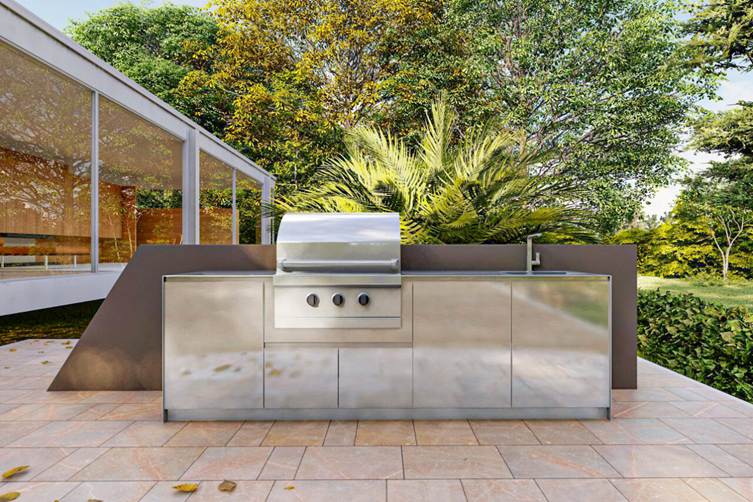
A Quietly Impressive Modular Option
Some systems manage to feel flexible without looking pieced together. Whistler Cirencester outdoor kitchens fall into that category. Their modular approach allows layouts to grow or change, while still looking cohesive.
Doors close properly. Storage feels well thought out. Nothing feels flimsy. This kind of attention to detail shows up over time, especially during busy cooking sessions when everything else feels slightly chaotic.
Water Access Changes Everything
It is easy to overlook, but water access is one of those things you only appreciate once you have it. The Whistler Cirencester Sink makes outdoor cooking far more practical.
Rinsing vegetables. Washing hands. Cleaning tools mid-cook. It all happens without breaking your rhythm or running indoors with greasy fingers.
Well-curated collections on platforms like BBQs2u highlight these practical details nicely, presenting outdoor kitchens as long-term lifestyle spaces rather than short-term upgrades.
Final Thoughts
A successful outdoor kitchen does not shout for attention. It works quietly in the background while you focus on food, people, and moments that stretch a little longer than planned.
When design supports cooking instead of complicating it, you feel it instantly. And that is when the space truly earns its place outdoors.