
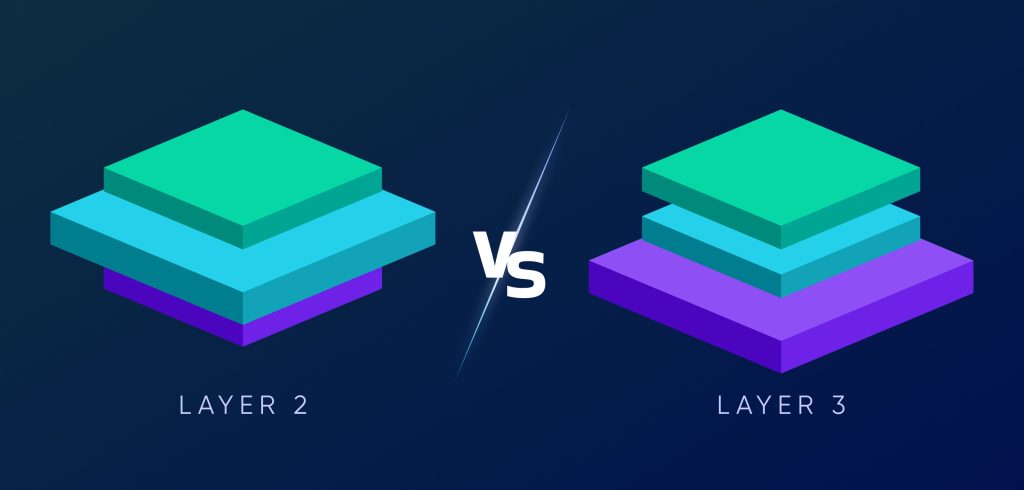
How can layer 2 blockchain performance be monitored for optimal results?
Layer 2 blockchain networks require continuous performance monitoring to ensure optimal transaction throughput, minimal latency, and cost efficiency. These secondary networks handle increased transaction volumes while maintaining a connection to their underlying base chains. Modern meme coins meaning has expanded beyond simple tokens to encompass sophisticated layer 2 ecosystems that demand professional monitoring approaches for sustained performance optimisation.
Real-time metrics tracking
Performance monitoring begins with establishing comprehensive real-time dashboards that display critical network health indicators across all layer 2 operations. Transaction throughput measurements reveal whether the network maintains its promised processing speeds during varying load conditions. Latency tracking identifies bottlenecks that could impact user experience and application responsiveness across the entire ecosystem. Block production times provide essential insights into the consistency of network consensus efficiency and validator performance. Gas fee monitoring ensures transaction costs remain within acceptable ranges while revealing network congestion patterns. Memory pool analysis shows pending transaction volumes and helps predict future performance challenges before they impact network operations.
Node synchronisation status
Distributed node networks require constant synchronisation monitoring to maintain data consistency across all network participants. Node health metrics include connection counts, peer discovery efficiency, and data propagation speeds that affect overall network reliability. Synchronisation lag measurements identify nodes falling behind consensus and requiring immediate attention to prevent network fragmentation. Geographic distribution analysis ensures adequate node coverage across different regions while identifying potential single points of failure:
- Regional node density mapping to identify coverage gaps requiring additional infrastructure
- Latency measurements between nodes in different geographic locations are affecting data propagation
- Bandwidth utilisation tracking to ensure adequate network capacity during peak usage periods
- Failover testing protocols that verify backup systems activate properly during node failures
- Load balancing effectiveness across different node clusters to prevent overloading individual systems
Validator performance analysis
Network validators maintain consensus and process transactions across layer 2 systems, requiring detailed performance tracking. Validator uptime monitoring ensures consistent network participation while identifying unreliable participants that could affect network stability. Block proposal efficiency measurements reveal whether validators meet their assigned responsibilities within expected timeframes. Stake distribution analysis prevents excessive centralisation while ensuring adequate economic security for network operations:
- Individual validator stake amounts and their percentage of the total network stake
- Delegation patterns showing how token holders distribute their voting power
- Reward distribution fairness, ensuring validators receive appropriate compensation for their services
- Slashing event monitoring that tracks penalties for malicious or negligent validator behaviour
- New validator onboarding rates indicate network growth and decentralisation progress
Resource utilisation optimisation
System resource monitoring encompasses CPU usage, memory consumption, and storage utilisation across all network infrastructure components. Database performance tracking ensures efficient data storage and retrieval operations that support high transaction volumes. Network bandwidth monitoring identifies capacity constraints that could limit scalability during growth periods. Optimisation strategies focus on identifying resource bottlenecks before they impact network performance while implementing automated scaling solutions that respond to changing demand patterns. Predictive analytics help forecast future resource requirements based on historical usage trends and projected network growth trajectories.
Performance monitoring extends beyond basic metrics to encompass a comprehensive ecosystem health assessment that ensures layer 2 networks deliver their promised advantages over traditional blockchain infrastructure. Continuous monitoring enables proactive optimisation that maintains optimal performance while supporting sustainable network growth and user adoption across diverse applications and use cases.